














Rare Old Manuscript Map of Germany by Bowen, 1810: Swabia, Stuttgart, Augsburg, Heidelberg, Black Forest

Restored in our London workshop from the original 1810 map and printed to museum-grade archival standards. Full description
The Collector’s Offer
Choose two eligible works and receive 20% off both. Choose three and the lowest-priced one is complimentary, a maximum saving of 33%.
Mix and match eligible standard maps and fine-art prints. No code is required; the offer is applied automatically at checkout.
Standard made-to-order configurations are included. Bespoke sizes, personalised designs and commissioned work are excluded.
Need delivery to different addresses? Contact us before ordering.The Collector’s Offer
Choose two eligible works and receive 20% off both. Choose three and the lowest-priced one is complimentary, a maximum saving of 33%.
Mix and match eligible standard maps and fine-art prints. No code is required; the offer is applied automatically at checkout.
Standard made-to-order configurations are included. Bespoke sizes, personalised designs and commissioned work are excluded.
Need delivery to different addresses? Contact us before ordering. Restored in London • Printed and framed in Canada
Restored from the original 1810 map and printed to museum-grade archival standards. Full description
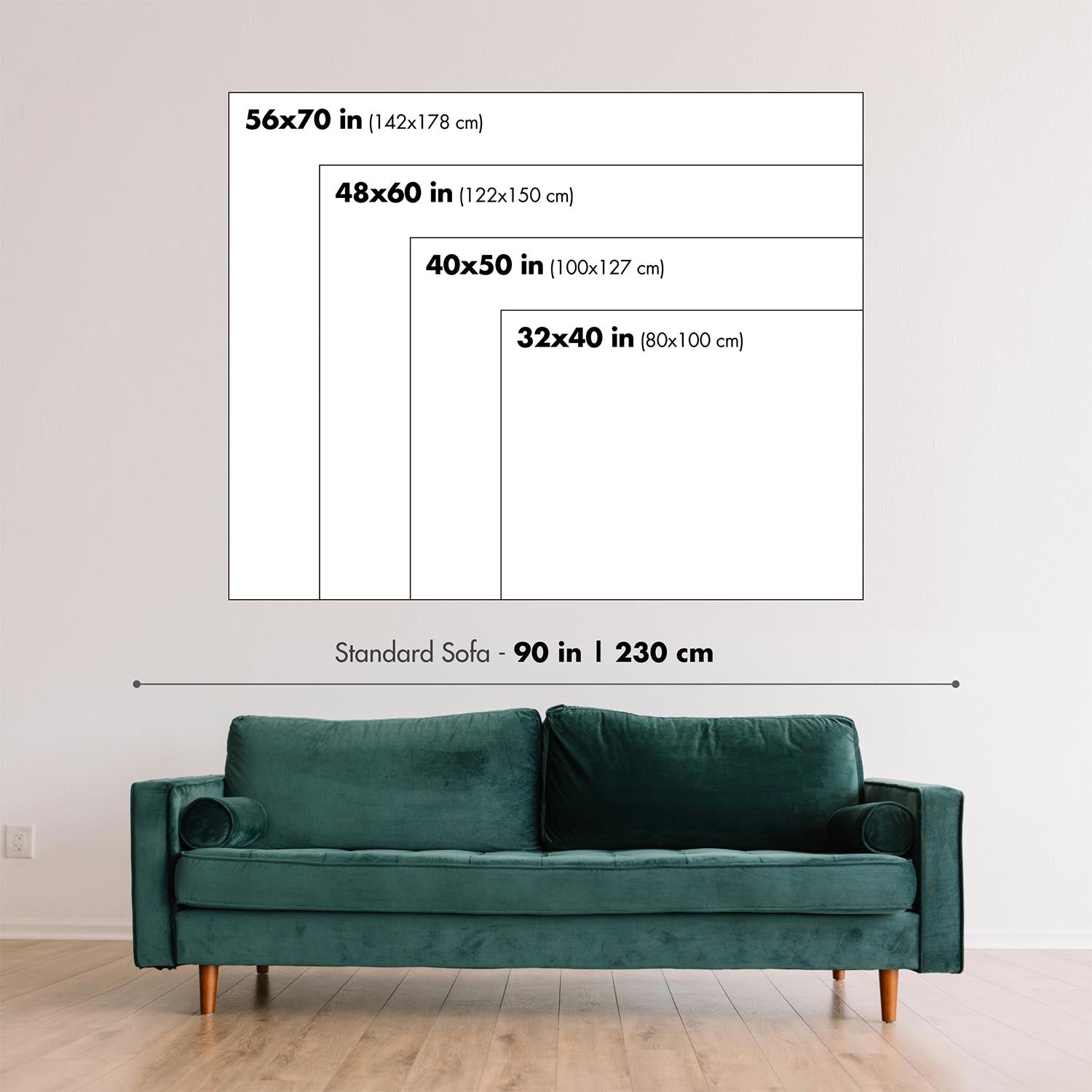
Choose your size
Choose your finish


(More info)
Gift message & custom finish

If you want to add a gift message, or a finish (jigsaw, aluminium board, etc.) that is not available here, please request it in the "order note" when you check out.
Every order is custom made, so if you need the size adjusted slightly, or printed on an unusual material, just let us know. We've done thousands of custom orders over the years, so there's (almost) nothing we can't manage.
You can also contact us before you order, if you prefer!
Own a piece of history
8,000+ five-star reviews


Swabia, boldly titled at the crest of the sheet, is Frances Bowen’s 1810 meditation on clarity and instruction, a regional study designed...
Continue readingSwabia, boldly titled at the crest of the sheet, is Frances Bowen’s 1810 meditation on clarity and instruction, a regional study designed for the learner’s eye and mind. Executed in a lucid pen-and-ink hand and enriched with calm washes of watercolor, the map sets out the old Swabian landscape with precision: borders are drawn with an unerring line, regions are distinguished by distinct hues, and every town and river is annotated in a neat, legible hand. A compact legend explains the symbols and color key, guiding students through the visual grammar of political space. Produced for a general atlas assembled with the assistance of Bowen’s sister Eliza, it exemplifies the domestic, didactic ethos of early nineteenth-century educational cartography.
Composed in the wake of Europe’s Napoleonic rearrangements, the map captures Swabia at a moment when centuries of patchwork sovereignties had recently given way to more consolidated states. Here, the once-fragmented imperial territories are organized into clearly bounded provinces and districts, their borders cleanly inked and their identities reinforced by color. This was geography for study as much as for reference: a visual answer to the complexity of a region that straddles much of present-day Baden-Württemberg and reaches toward Bavarian Swabia. Bowen’s scheme renders administrative realities graspable at a glance, training the student to read political structure in tandem with place—an early specimen of structured, modern geographic education.
Rivers and ranges anchor the composition, turning lines and labels into living landscape. The Danube courses past Ulm, its broad path suggesting why the city rose as a strategic riverine hub. The Neckar twists through Heidelberg, Stuttgart, and Tübingen, a sinuous corridor of learning and commerce. To the west, the Black Forest shadows Freiburg, while the limestone ramparts of the Swabian Jura define a high, pale arc of upland country. Near the southeastern edge, the pull of Lake Constance is felt in the approaches to Ravensburg. Bowen’s handwritten toponyms settle naturally against these forms, the legend clarifying symbols so that mountain, river, and frontier interlock intelligibly—topography made mnemonic.
The urban constellation is rendered with pedagogical care and historical tact. Stuttgart appears as the Württemberg seat, a political nucleus set amid gently tiered districts. Ulm commands its river crossing; Augsburg, long a mercantile powerhouse, anchors the eastern horizon. Heidelberg and Tübingen mark an academic axis along the Neckar, their names quietly evoking libraries and lecture halls. Freiburg nestles at the edge of the Schwarzwald; Ravensburg and Biberach recall the vigor of Swabian free cities, their market traditions legible in their prominence. Each settlement is positioned to teach relation as much as location—how trade routes, watersheds, and borders coaxed towns into significance.
Bowen’s method—plain yet elegant lines, color-coded jurisdictions, a succinct key, and steadfastly clear labels—was crafted to cultivate geographic literacy in the home as surely as in the classroom. The artistry lies not in ornament but in orchestration: borders that breathe, colors that converse, names that fall exactly where the eye expects them. In this balance of beauty and sense, Swabia becomes more than a region; it becomes a lesson in how to see. The map stands as a quietly radical object of its time, merging domestic pedagogy with cartographic poise to make a complex historical landscape intelligible—and unforgettable.
Cities and towns on this map
- Freiburg
- Ulm
- Heidelberg
- Stuttgart
- Augsburg
- Tübingen
- Biberach
- Ravensburg
Notable Features & Landmarks
- Clearly defined borders of various provinces and districts.
- Use of different colors to differentiate between regions and administrative boundaries.
- Handwritten labels identifying geographical features and settlements.
- Legend or key indicating the symbols and colors used on the map.
- A prominent title "Swabia" at the top of the map.
Historical and design context
- Mapmaker: Frances Bowen
- Year of creation: 1810
- Additional context: The map reflects early nineteenth-century educational cartography, demonstrating the instructional goals of educational maps during this period. It was part of a general atlas completed with the assistance of Bowen's sister Eliza, underlining the domestic educational focus.
- Topics and themes: The map is thematic, focusing on regional geography and political subdivisions within the Swabia region, in a manner conducive to education and study.
- Countries/regions shown: The map depicts the Swabia region, which is located in present-day Germany, particularly within the state of Baden-Württemberg.
- Design style: The hand-drawn style using pen-and-ink and watercolor emphasizes clarity and educational purpose, with precise labeling and a visually engaging layout.
- Historical significance: It represents a period when map-making served both educational and aesthetic purposes, reflecting a move towards more structured geographic education.
Please double check the images to make sure that a specific town or place is shown on this map. You can also get in touch and ask us to check the map for you.
This map looks great at every size, but I always recommend going for a larger size if you have space. That way you can easily make out all of the details.
This map looks amazing at sizes all the way up to 50in (125cm). If you are looking for a larger map, please get in touch.
The model in the listing images is holding the 16x16in (40x40cm) version of this map.
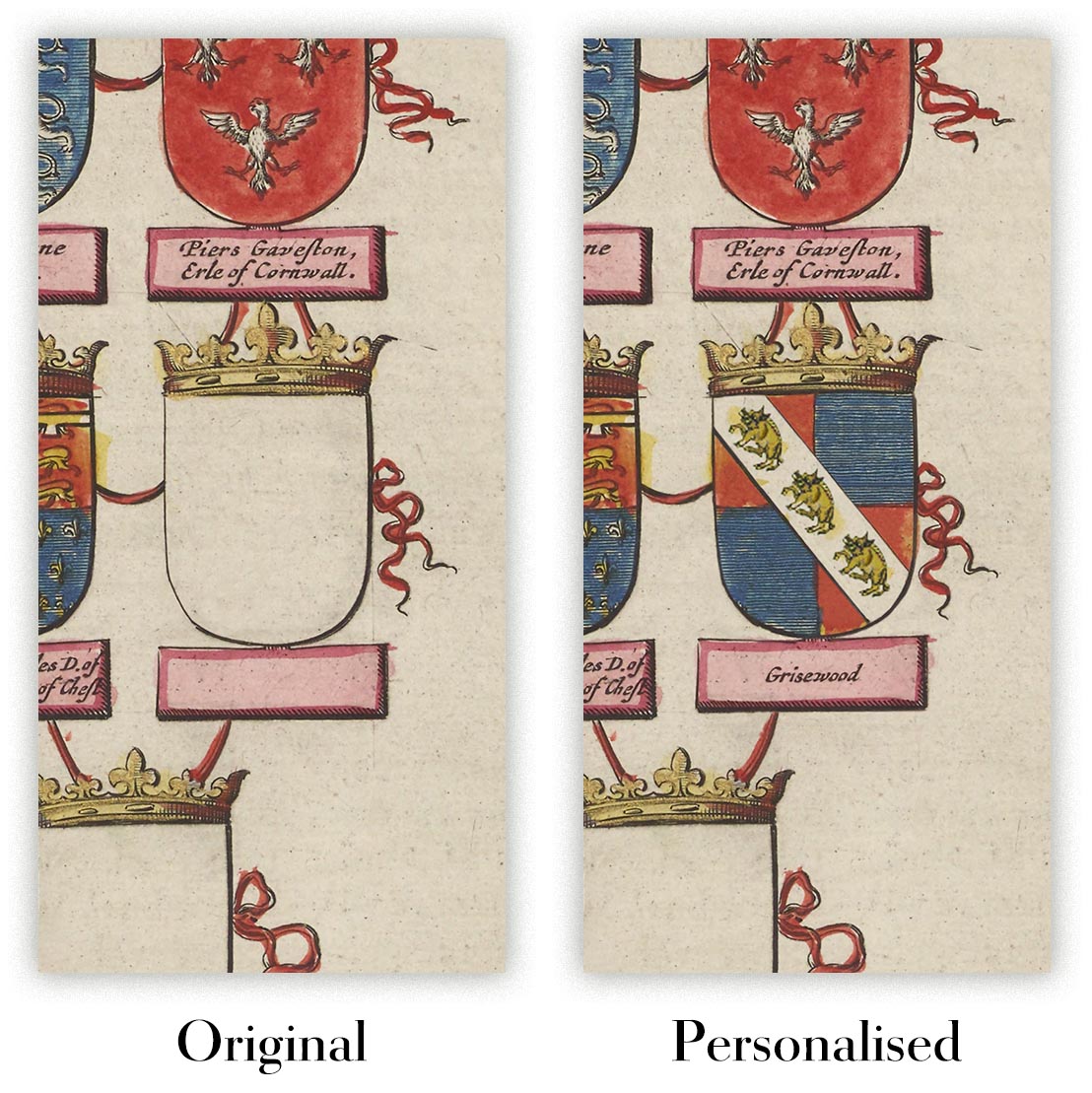
The fifth listing image shows an example of my map personalisation service.
If you’re looking for something slightly different, check out my collection of the best old maps to see if something else catches your eye.
Please contact me to check if a certain location, landmark or feature is shown on this map.
This would make a wonderful birthday, Christmas, Father's Day, work leaving, anniversary or housewarming gift for someone from the areas covered by this map.
This map is available as a giclée print on acid free archival matte paper, or you can buy it framed. The frame is a nice, simple black frame that suits most aesthetics. Please get in touch if you'd like a different frame colour or material. My frames are glazed with super-clear museum-grade acrylic (perspex/acrylite), which is significantly less reflective than glass, safer, and will always arrive in perfect condition.
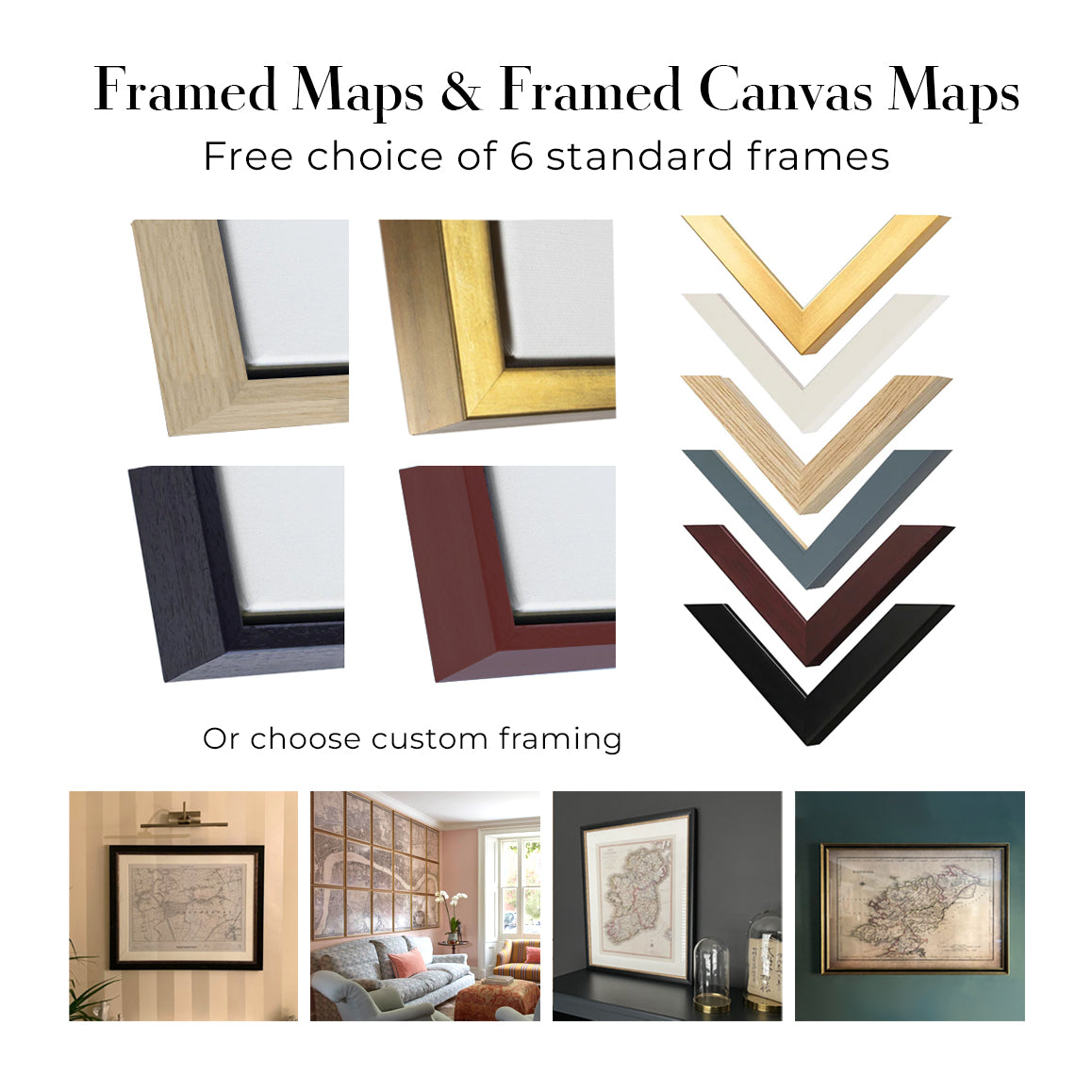
This map is also available as a float framed canvas, sometimes known as a shadow gap framed canvas or canvas floater. The map is printed on artist's cotton canvas and then stretched over a handmade box frame. We then "float" the canvas inside a wooden frame, which is available in a range of colours (black, dark brown, oak, antique gold and white). This is a wonderful way to present a map without glazing in front. See some examples of float framed canvas maps and explore the differences between my different finishes.
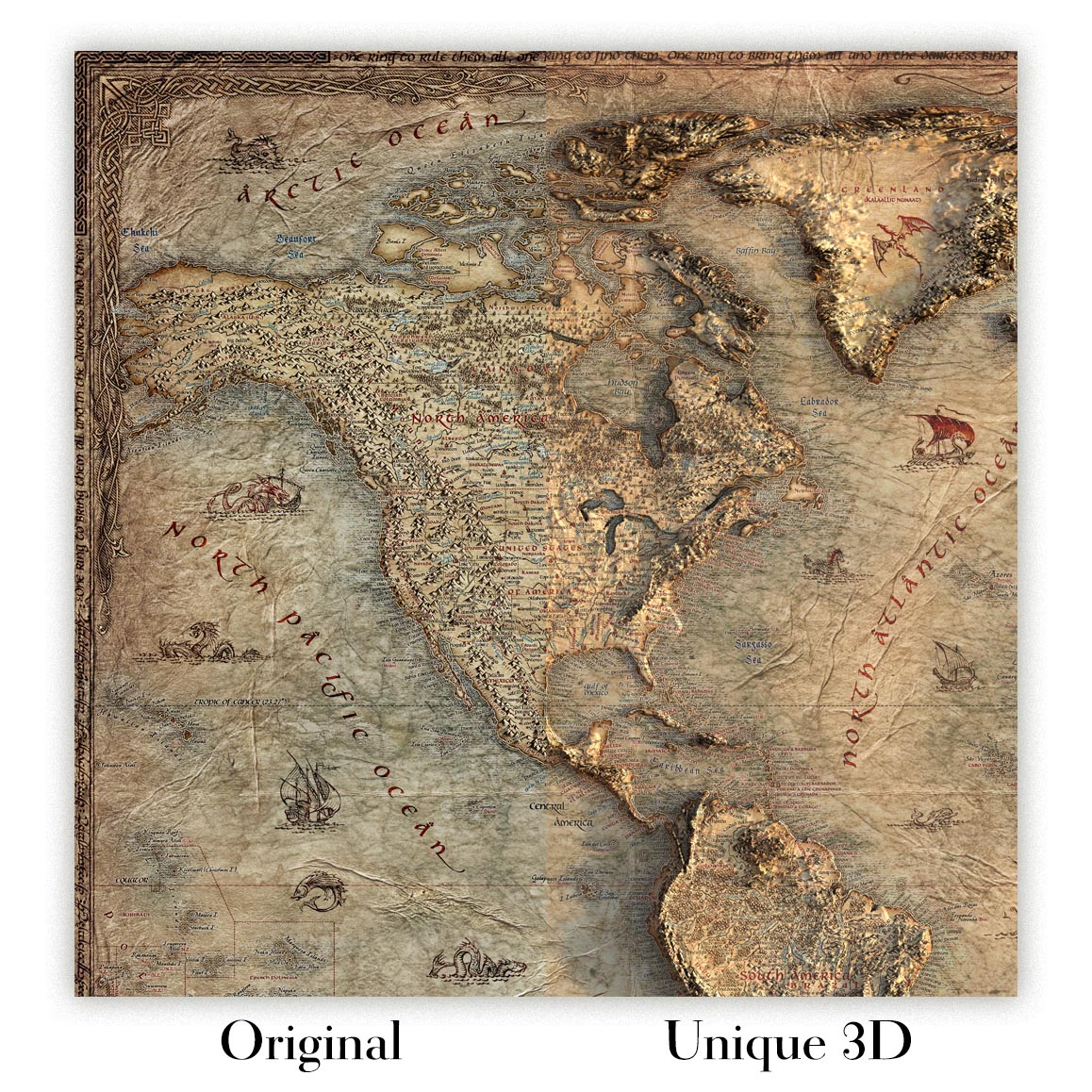
For something truly unique, this map is also available in "Unique 3D", our trademarked process that dramatically transforms the map so that it has a wonderful sense of depth. We combine the original map with detailed topography and elevation data, so that mountains and the terrain really "pop". For more info and examples of 3D maps, check my Unique 3D page.
Swabia, boldly titled at the crest of the sheet, is Frances Bowen’s 1810 meditation on clarity and instruction, a regional study designed for the learner’s eye and mind. Executed in a lucid pen-and-ink hand and enriched with calm washes of watercolor, the map sets out the old Swabian landscape with precision: borders are drawn with an unerring line, regions are distinguished by distinct hues, and every town and river is annotated in a neat, legible hand. A compact legend explains the symbols and color key, guiding students through the visual grammar of political space. Produced for a general atlas assembled with the assistance of Bowen’s sister Eliza, it exemplifies the domestic, didactic ethos of early nineteenth-century educational cartography.
Composed in the wake of Europe’s Napoleonic rearrangements, the map captures Swabia at a moment when centuries of patchwork sovereignties had recently given way to more consolidated states. Here, the once-fragmented imperial territories are organized into clearly bounded provinces and districts, their borders cleanly inked and their identities reinforced by color. This was geography for study as much as for reference: a visual answer to the complexity of a region that straddles much of present-day Baden-Württemberg and reaches toward Bavarian Swabia. Bowen’s scheme renders administrative realities graspable at a glance, training the student to read political structure in tandem with place—an early specimen of structured, modern geographic education.
Rivers and ranges anchor the composition, turning lines and labels into living landscape. The Danube courses past Ulm, its broad path suggesting why the city rose as a strategic riverine hub. The Neckar twists through Heidelberg, Stuttgart, and Tübingen, a sinuous corridor of learning and commerce. To the west, the Black Forest shadows Freiburg, while the limestone ramparts of the Swabian Jura define a high, pale arc of upland country. Near the southeastern edge, the pull of Lake Constance is felt in the approaches to Ravensburg. Bowen’s handwritten toponyms settle naturally against these forms, the legend clarifying symbols so that mountain, river, and frontier interlock intelligibly—topography made mnemonic.
The urban constellation is rendered with pedagogical care and historical tact. Stuttgart appears as the Württemberg seat, a political nucleus set amid gently tiered districts. Ulm commands its river crossing; Augsburg, long a mercantile powerhouse, anchors the eastern horizon. Heidelberg and Tübingen mark an academic axis along the Neckar, their names quietly evoking libraries and lecture halls. Freiburg nestles at the edge of the Schwarzwald; Ravensburg and Biberach recall the vigor of Swabian free cities, their market traditions legible in their prominence. Each settlement is positioned to teach relation as much as location—how trade routes, watersheds, and borders coaxed towns into significance.
Bowen’s method—plain yet elegant lines, color-coded jurisdictions, a succinct key, and steadfastly clear labels—was crafted to cultivate geographic literacy in the home as surely as in the classroom. The artistry lies not in ornament but in orchestration: borders that breathe, colors that converse, names that fall exactly where the eye expects them. In this balance of beauty and sense, Swabia becomes more than a region; it becomes a lesson in how to see. The map stands as a quietly radical object of its time, merging domestic pedagogy with cartographic poise to make a complex historical landscape intelligible—and unforgettable.
Cities and towns on this map
- Freiburg
- Ulm
- Heidelberg
- Stuttgart
- Augsburg
- Tübingen
- Biberach
- Ravensburg
Notable Features & Landmarks
- Clearly defined borders of various provinces and districts.
- Use of different colors to differentiate between regions and administrative boundaries.
- Handwritten labels identifying geographical features and settlements.
- Legend or key indicating the symbols and colors used on the map.
- A prominent title "Swabia" at the top of the map.
Historical and design context
- Mapmaker: Frances Bowen
- Year of creation: 1810
- Additional context: The map reflects early nineteenth-century educational cartography, demonstrating the instructional goals of educational maps during this period. It was part of a general atlas completed with the assistance of Bowen's sister Eliza, underlining the domestic educational focus.
- Topics and themes: The map is thematic, focusing on regional geography and political subdivisions within the Swabia region, in a manner conducive to education and study.
- Countries/regions shown: The map depicts the Swabia region, which is located in present-day Germany, particularly within the state of Baden-Württemberg.
- Design style: The hand-drawn style using pen-and-ink and watercolor emphasizes clarity and educational purpose, with precise labeling and a visually engaging layout.
- Historical significance: It represents a period when map-making served both educational and aesthetic purposes, reflecting a move towards more structured geographic education.
Please double check the images to make sure that a specific town or place is shown on this map. You can also get in touch and ask us to check the map for you.
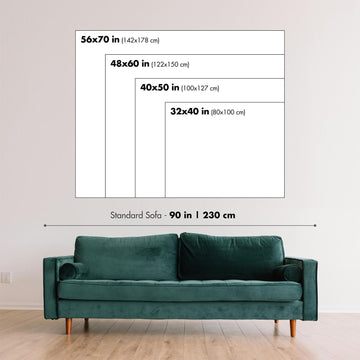
This map looks great at every size, but I always recommend going for a larger size if you have space. That way you can easily make out all of the details.
This map looks amazing at sizes all the way up to 50in (125cm). If you are looking for a larger map, please get in touch.
The model in the listing images is holding the 16x16in (40x40cm) version of this map.
The fifth listing image shows an example of my map personalisation service.
If you’re looking for something slightly different, check out my collection of the best old maps to see if something else catches your eye.
Please contact me to check if a certain location, landmark or feature is shown on this map.
This would make a wonderful birthday, Christmas, Father's Day, work leaving, anniversary or housewarming gift for someone from the areas covered by this map.
This map is available as a giclée print on acid free archival matte paper, or you can buy it framed. The frame is a nice, simple black frame that suits most aesthetics. Please get in touch if you'd like a different frame colour or material. My frames are glazed with super-clear museum-grade acrylic (perspex/acrylite), which is significantly less reflective than glass, safer, and will always arrive in perfect condition.
This map is also available as a float framed canvas, sometimes known as a shadow gap framed canvas or canvas floater. The map is printed on artist's cotton canvas and then stretched over a handmade box frame. We then "float" the canvas inside a wooden frame, which is available in a range of colours (black, dark brown, oak, antique gold and white). This is a wonderful way to present a map without glazing in front. See some examples of float framed canvas maps and explore the differences between my different finishes.
For something truly unique, this map is also available in "Unique 3D", our trademarked process that dramatically transforms the map so that it has a wonderful sense of depth. We combine the original map with detailed topography and elevation data, so that mountains and the terrain really "pop". For more info and examples of 3D maps, check my Unique 3D page.
Many of our maps and art prints are chosen as thoughtful gifts for homes, offices, studies and meaningful places.
Choose a framed option for the easiest ready-to-hang gift, or choose an unframed print if the recipient may prefer to select their own frame.
We make orders locally in 24 countries around the world, so gifts can often be produced close to the recipient. This helps them arrive faster, travel more safely, and avoid customs or import duty surprises.
- We can deliver directly to the recipient
- Framed pieces arrive ready to hang
- Unframed prints are carefully packed in a strong protective tube
- Almost every order is made locally, for faster, safer gifting
- 90-day returns give the recipient time to decide
If you are not sure what to choose, please contact us. We can help you pick the right map, size, finish or delivery option.
Most orders are made locally and delivered in around 2–3 working days, depending on the product, size and destination.
We print and frame maps and artwork in 24 countries around the world, so your order is usually made close to you or your recipient. That means faster delivery, less time in transit, and no customs or import duty surprises.
Personalised and customised pieces usually take an extra 1–2 working days, because we prepare your design and send it to you for approval before printing.
Very large framed orders can take a little longer, as they need extra care in production and delivery.
Every order is carefully packaged: unframed prints are sent in a strong protective tube, while framed pieces are securely packed with protective materials around the frame.
If you need your order by a particular date, please contact us before ordering. We’ll check the best production route and delivery option for your location.
Express delivery is available at checkout for most countries. Next-day delivery is available in the UK, US, Singapore and the UAE.
Your order is covered by our 90-day returns policy and 10-year guarantee.
Our standard frame is a gallery-style black ash hardwood frame, with a simple, modern look. It is approximately 20mm (0.8in) wide. You can also view some lovely customer photos of framed maps and art.
We use super-clear acrylic glazing, also known as Perspex or Acrylite, instead of traditional glass. It is lighter, safer, and has lower reflectivity, giving the artwork a clearer, cleaner appearance.
Six standard frame colours are available at no extra cost: black, dark brown, dark grey, oak, white, and antique gold. Custom framing and mounting/matting is also available for customers looking for something more specific.
Most maps, art prints, and illustrations are also available as a framed canvas. We use matte cotton canvas, stretch it over a sustainably sourced wooden box frame, and then float the piece within a wooden outer frame. The finished result is beautifully presented, with no glazing between you and the artwork.
All frames are supplied ready to hang, with either string or brackets fitted to the back. Very large frames will include heavy-duty hanging plates and/or a mounting baton. If you have any questions, please get in touch.
We can also supply old maps and artwork on canvas, foam board, cotton rag, and other materials.
If you would prefer to frame your map or artwork yourself, please read our size guide before ordering.
We work with interior designers, hospitality businesses, property professionals, offices and corporate buyers on individual pieces and larger coordinated projects.
This map can be adapted for a particular wall, room or project, and our workshop can help coordinate the dimensions, material and framing before production.
- Exact, oversized and made-to-measure dimensions
- Custom framing, mounting and alternative materials
- Coordinated pieces for several rooms or locations
- Map personalisation, to mark important locations or add extra details
- Map and framing guidance from our workshop
- Local production for projects around the world
Every Unique Maps piece begins with an authentic cartographic source or an original design from our London studio.
For our historic maps, we source rare originals from libraries, archives, auction houses and private collections around the world. We carefully restore each map for print—repairing age-related damage, balancing colour and improving clarity while preserving its original detail, texture and character.
Once restored, the map is prepared for your chosen size and finish. Your piece is then printed and, where selected, framed close to its delivery destination.
Our map prints use acid-free 200gsm archival matte paper and fade-resistant pigment inks, creating a rich, non-glossy finish designed to last. Framed maps use crystal-clear optical acrylic and arrive ready to hang.
Canvas, cotton-rag and other specialist presentations are also available. Learn more about our materials and finishes.
Personalising your map
You can add a short title or dedication, mark one meaningful place, or request one considered visual detail. For personalised designs, we send a proof before printing and you can request changes before approval.
For more complex bespoke commissions, contact our design team.
Original or Aged
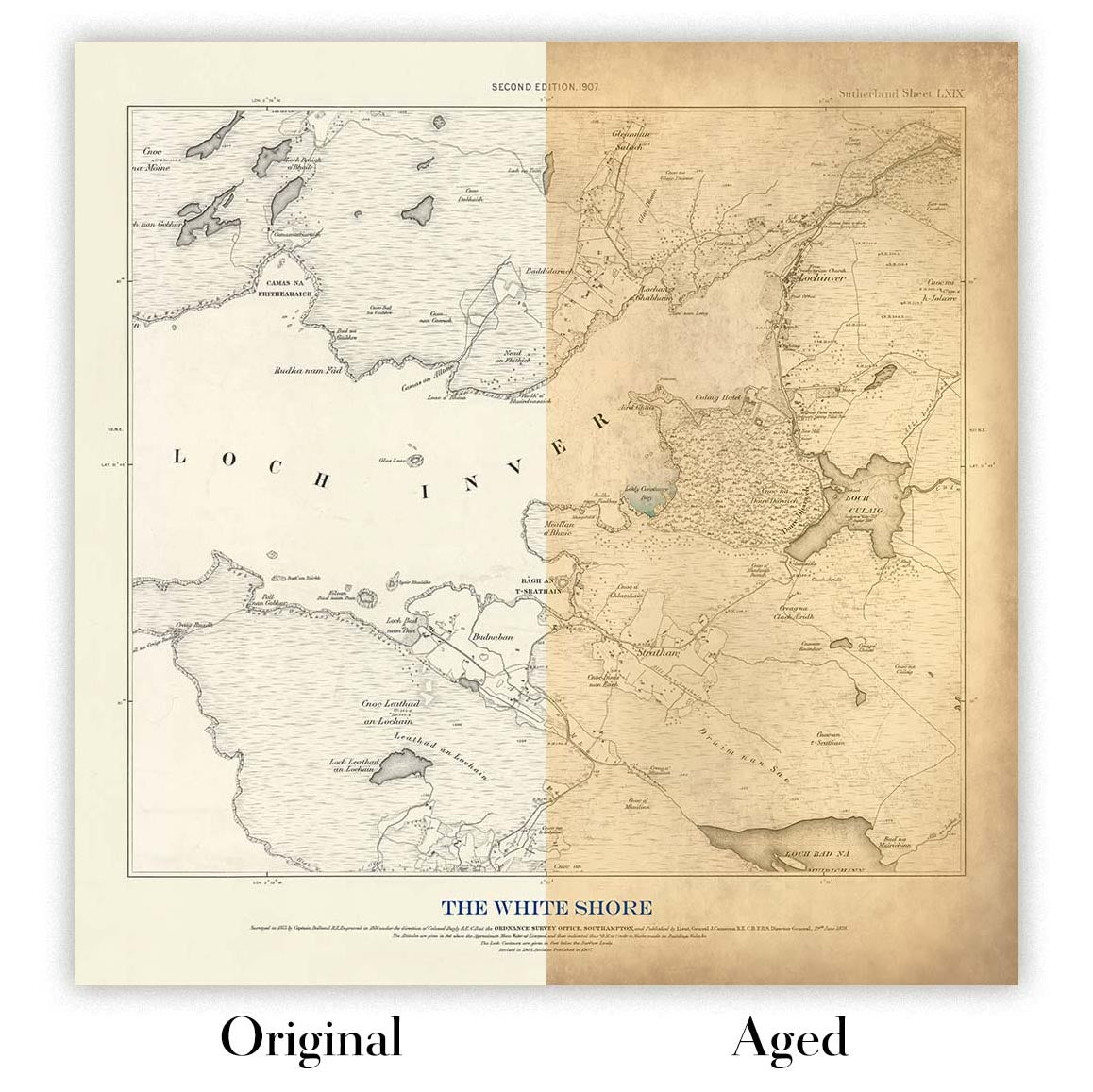
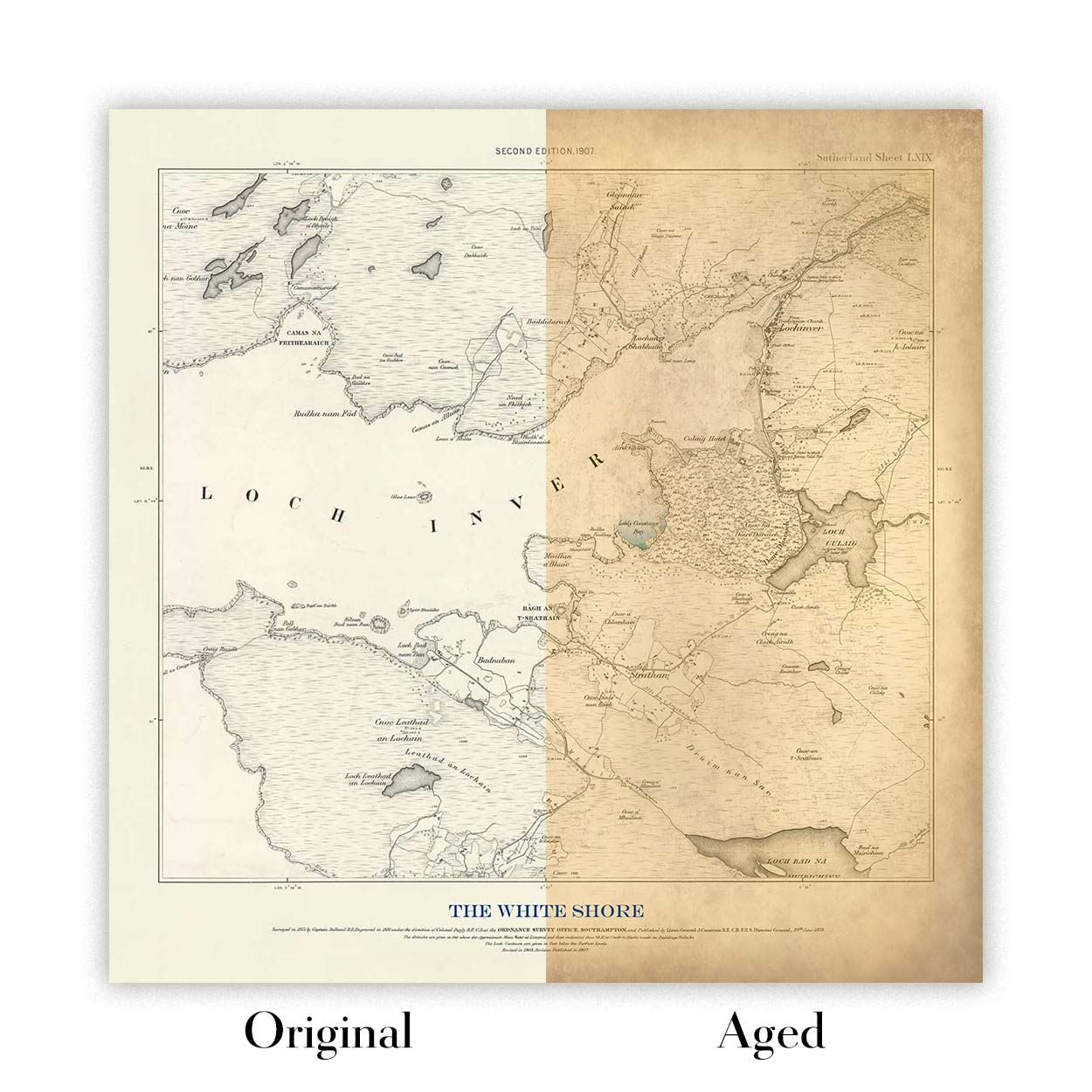
Choose Original for true-to-source colour, or Aged for a warmer, richer antique character created with our specialist ageing process. See examples of our Aged maps.
We’ve been restoring and producing maps and art prints since 1984, and we stand behind every piece.
Every order is covered by our 10-year guarantee and damage-free delivery guarantee. If your piece arrives damaged, we’ll replace or remake it free of charge. If anything else isn’t right, contact our workshop team and we’ll put it right promptly.
See our returns and refund policy for full details.
Or try searching for something!


