














Antiguo mapa "La Lune" de la Luna de Gaudibert, 1877: índice de 509 cráteres, mares lunares y rayos, heliograbado
Restaurado en nuestro taller de Londres a partir del mapa original de 1877 e impreso en calidad museo. Descripción completa
La oferta del coleccionista
Elija dos obras elegibles y obtenga un 20 % de descuento en ambas. Elija tres y la de menor precio será gratuita, con un ahorro máximo del 33 %.
Combine y mezcle mapas estándar elegibles y reproducciones de bellas artes. No se requiere código; la oferta se aplica automáticamente al finalizar la compra.
Se incluyen las configuraciones estándar hechas por encargo. Quedan excluidos los tamaños a medida, los diseños personalizados y los trabajos por encargo.
¿Necesita entrega en diferentes direcciones? Contáctenos antes de realizar el pedido.La oferta del coleccionista
Elija dos obras elegibles y obtenga un 20 % de descuento en ambas. Elija tres y la de menor precio será gratuita, con un ahorro máximo del 33 %.
Combine y mezcle mapas estándar elegibles y reproducciones de bellas artes. No se requiere código; la oferta se aplica automáticamente al finalizar la compra.
Se incluyen las configuraciones estándar hechas por encargo. Quedan excluidos los tamaños a medida, los diseños personalizados y los trabajos por encargo.
¿Necesita entrega en diferentes direcciones? Contáctenos antes de realizar el pedido. Restaurado en Londres • Impreso y enmarcado en Canada

Restaurado a partir del mapa original de 1877 e impreso en calidad museo. Descripción completa
Elige el formato
Elige el acabado


(Más información)
Mensaje de regalo y acabado personalizado

Si deseas agregar un mensaje de regalo, o un acabado (rompecabezas, tablero de aluminio, etc.) que no esté disponible aquí, por favor solicítalo en la "nota del pedido" cuando realices la compra.
Cada pedido es hecho a medida, así que si necesitas que el tamaño se ajuste ligeramente, o que se imprima en un material inusual, háznoslo saber. Hemos realizado miles de pedidos personalizados a lo largo de los años, así que hay (casi) nada que no podamos gestionar.
También puedes contactarnos antes de hacer tu pedido, ¡si lo prefieres!
Llévate a casa un pedazo de historia
Más de 8.000 reseñas de 5 estrellas


Carte Général de la Lune (1877) es un hito en el retrato de la Luna que combina una observación rigurosa con un...
Seguir leyendoCarte Général de la Lune (1877) es un hito en el retrato de la Luna que combina una observación rigurosa con un diseño elegante. Concebido bajo la dirección del renombrado astrónomo Camille Flammarion y fundamentado en más de 15 años de estudio nocturno de Casimir Marie Gaudibert, cartografía la superficie lunar con una claridad y una seguridad poco comunes. El sujeto central del mapa es la geografía lunar, un censo minucioso de cuencas, mares y, especialmente, cráteres, enmarcado por un refinado programa infográfico que hace accesible a simple vista la compleja selenografía. Su interés perdurable reside en el equilibrio que logra: la precisión de un documento científico unida a la seducción visual del grabado del siglo XIX, una fusión que le valió reconocimiento en los círculos científicos contemporáneos.
La arquitectura informativa del mapa está meticulosamente dispuesta. Un índice exhaustivo flanquea el disco lunar a izquierda y derecha, enumerando 509 cráteres con nombres que trazan el linaje intelectual de la astronomía: un atlas de pensadores estampado en la propia Luna. Cada entrada corresponde a etiquetas cuidadosamente situadas sobre la superficie, lo que permite una rápida consulta cruzada de la lista a la característica. El sombreado tonal esculpe el relieve, distinguiendo los brillantes lugares de impacto surcados por rayos de las extensiones más serenas de los mares, mientras que delicadas texturas articulan crestas, terrazas y bordes de cráteres desgastados. El resultado es una infografía que se siente intuitiva: un elegante ciclo de ver, localizar y comprender, guiado por un destacado cartucho de título que acredita a los distinguidos colaboradores del proyecto.
Tras la imagen hay una historia de extraordinaria colaboración. Aunque aficionado, la perseverancia y la metodología disciplinada de Gaudibert lo elevaron al círculo de los profesionales; un cráter lleva ahora su nombre, y sus levantamientos informaron no solo esta lámina, sino también un globo lunar publicado por Émile Bertaux. El papel de Flammarion dio forma a la voz científica de la obra, mientras que el artista Léon Fenet tradujo los datos en bruto a una forma expresiva, una interacción que tipifica la mejor astronomía popular de la época. Ejecutada mediante heliograbado, un proceso fotomecánico apreciado por su fidelidad tonal, la impresión capta los gradientes más sutiles de sombra sobre altiplanos y llanuras. Esta síntesis de oficio y ciencia modela un ideal del siglo XIX: el conocimiento hecho bello, y la belleza hecha instructiva.
La composición recompensa una lectura atenta. Hitos emblemáticos como Tycho y Copernicus probablemente anclan las tierras altas meridionales y centrales con sus luminosos sistemas de rayos, mientras que los serenamente sombreados mares, incluido el célebre Mare Tranquillitatis, forman llanuras aterciopeladas que moderan el dramatismo de un relieve más marcado. A su alrededor, muros concéntricos de cráteres, rampas interrumpidas y tenues rilles emergen mediante un matizado claroscuro, permitiendo a los espectadores inferir la antigüedad relativa y la historia de erosión. El ritmo de rotulación del mapa invita a la exploración: las características más destacadas reclaman tipos de mayor tamaño, mientras que las anotaciones secundarias susurran en la periferia de cuencas y domos. Lo que comienza como un único semblante lunar se despliega en una narrativa estratificada de impactos, inundaciones y un tiempo lento grabado en piedra.
Como una de las primeras y más autorizadas cartografías de la Luna, Carte Général de la Lune captura un momento decisivo, anterior a que la fotografía sustituyera por completo la mirada del dibujante. Sus datos ofrecieron a los astrónomos una referencia साझा para nombrar, comparar y debatir rasgos, y su claridad visual ayudó a estandarizar durante décadas la comprensión selenográfica. Para los coleccionistas, encarna una rara confluencia: la integridad de la observación directa, el carisma de la heliograbura y el legado intelectual catalogado en su índice de 509 nombres. Más que un mapa, es una conversación entre observadores pacientes y artesanos inspirados: un testimonio perdurable de cómo la atención humana puede transformar un mundo distante y silencioso en un lugar legible y cautivador.
Lugares en este mapa
- Numerosos cráteres, a menudo con nombres y designaciones intrincados.
- Pueden aparecer rasgos notables como "Tycho", "Copernicus" y "Mare Tranquillitatis" (aunque la visibilidad específica depende de la interpretación de la imagen real).
Características destacadas y puntos de referencia
- Representación detallada de la superficie lunar.
- Una lista en el lado izquierdo y derecho, identificando 509 cráteres.
- Cráteres con nombres complejos, algunos probablemente derivados de astrónomos y científicos destacados.
- La representación artística de las texturas de la superficie y los efectos de sombreado.
- El destacado cartucho que indica el título y los colaboradores.
Contexto histórico y de diseño
- Nombre del mapa: Carte Général de la Lune.
- Año de creación: 1877.
- Cartógrafo/editor: Casimir Marie Gaudibert; publicado por Émile Bertaux.
- Creado bajo la dirección del renombrado astrónomo Camille Flammarion.
- Basado en más de 15 años de meticulosas observaciones de Casimir Marie Gaudibert, un astrónomo aficionado.
- Conocido por su precisión y detalle, recibió reconocimiento en la comunidad científica.
- El editor, Bertaux, utilizó los datos de Gaudibert para un globo lunar, destacando su impacto en la cartografía lunar.
- Un cráter de la Luna ha sido nombrado en honor a Gaudibert, reflejando sus contribuciones a la astronomía.
- Aunque Gaudibert era aficionado, su trabajo obtuvo reconocimiento en serios círculos científicos y contribuyó significativamente a la geografía lunar.
- Colaboración astronómica: la fusión del arte de Léon Fenet y los datos científicos de Gaudibert elevó la comprensión de la topografía de la Luna.
- Se centra exclusivamente en la Luna, mostrando sus cráteres y rasgos topográficos sin delimitaciones geográficas de la Tierra.
- Diseño/estilo: enfoque infográfico con representación artística de la superficie de la Luna.
- Emplea una técnica de heliograbado, conocida por su alta calidad de impresión.
- Una rica paleta de colores refleja las texturas y características de la superficie lunar.
- Importancia histórica: un temprano estudio lunar que enfatiza la colaboración entre astrónomos e ilustradores para ampliar el conocimiento de la Luna.
Por favor, compruebe detenidamente las imágenes para asegurarse de que se muestra un pueblo o lugar específico en este mapa. También puede ponerse en contacto con nosotros y pedirnos que revisemos el mapa por usted.
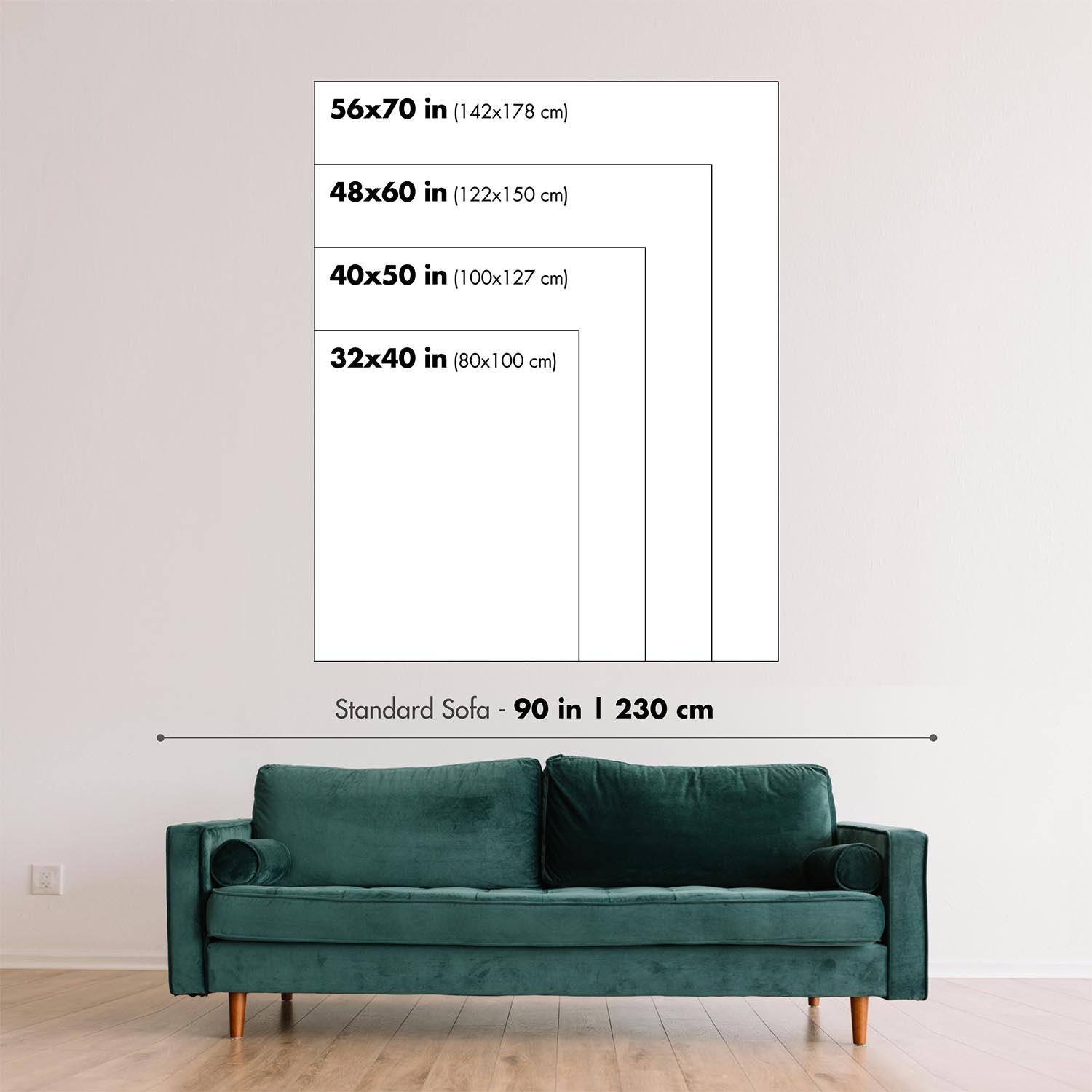
Este mapa luce magnífico en cualquier tamaño, pero siempre recomiendo optar por un tamaño mayor si dispone de espacio. Así podrá apreciar fácilmente todos los detalles.
Este mapa se ve increíble en tamaños de hasta 100in (250cm). Si busca un mapa más grande, por favor póngase en contacto.
Tenga en cuenta: las etiquetas de este mapa son difíciles de leer si pide un mapa de 16in (40cm) o menos. El mapa sigue siendo muy atractivo, pero si desea leerlo con facilidad, compre un tamaño mayor.
El modelo en las imágenes del anuncio sostiene la versión de 18x24in (45x60cm) de este mapa.
La quinta imagen del anuncio muestra un ejemplo de mi servicio de personalización de mapas.
Si busca algo ligeramente distinto, consulte mi colección de los mejores mapas antiguos para ver si algo más le llama la atención.
Por favor, contácteme para comprobar si una determinada ubicación, punto de referencia o elemento aparece en este mapa.
Sería un regalo maravilloso de cumpleaños, Navidad, Día del Padre, despedida laboral, aniversario o inauguración de casa para alguien de las zonas cubiertas por este mapa.
Este mapa está disponible como impresión giclée en papel mate de archivo libre de ácido, o puede comprarlo enmarcado. El marco es un marco negro, sencillo y elegante, que combina con la mayoría de las estéticas. Póngase en contacto si desea otro color o material de marco. Mis marcos llevan un acristalamiento de acrílico de calidad museística, de gran transparencia (perspex/acrylite), que es significativamente menos reflectante que el vidrio, más seguro y que siempre llegará en perfecto estado.
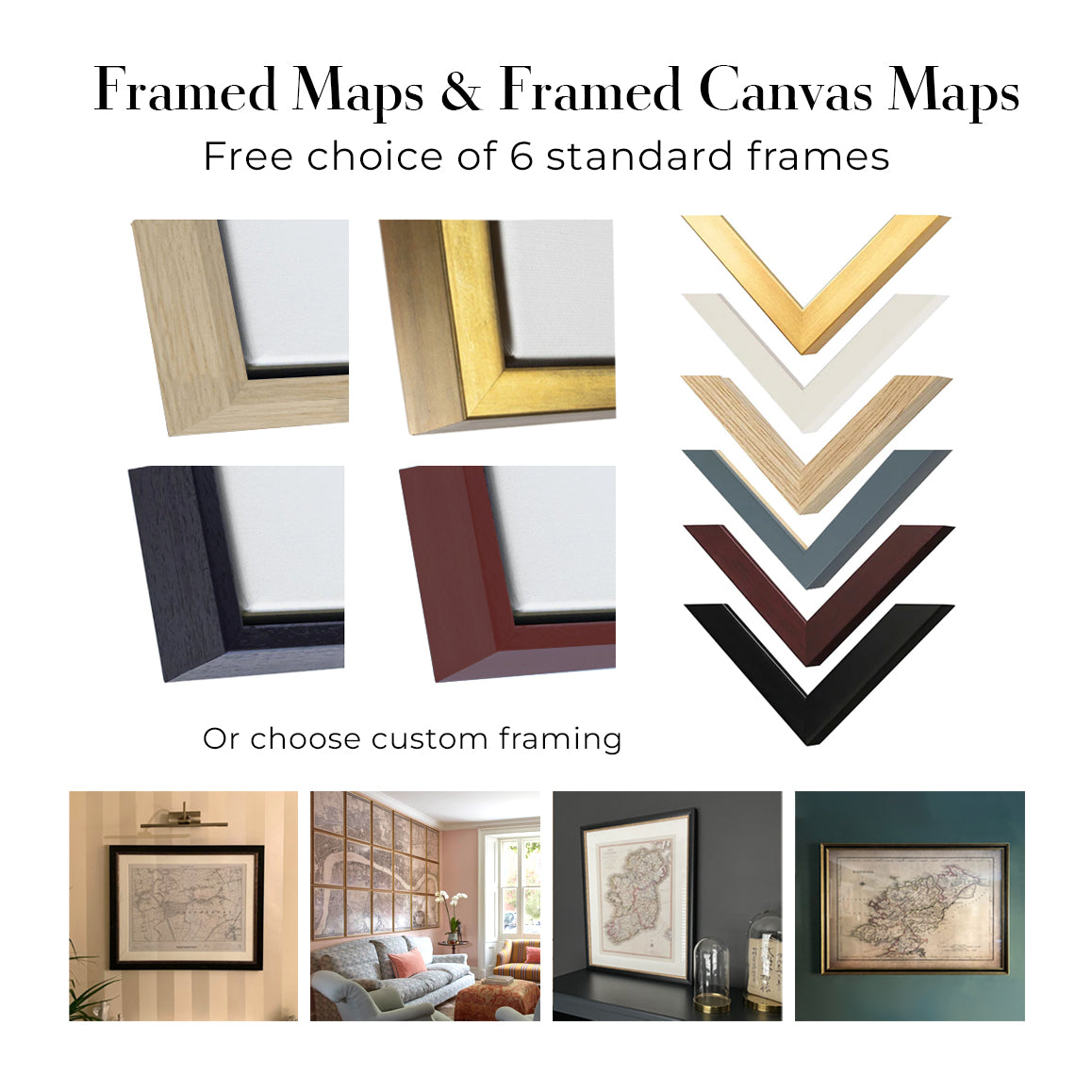
This map is also available as a float framed canvas, sometimes known as a shadow gap framed canvas or canvas floater. The map is printed on artist's cotton canvas and then stretched over a handmade box frame. We then "float" the canvas inside a wooden frame, which is available in a range of colours (black, dark brown, oak, antique gold and white). This is a wonderful way to present a map without glazing in front. See some examples of float framed canvas maps and explore the differences between my different finishes.
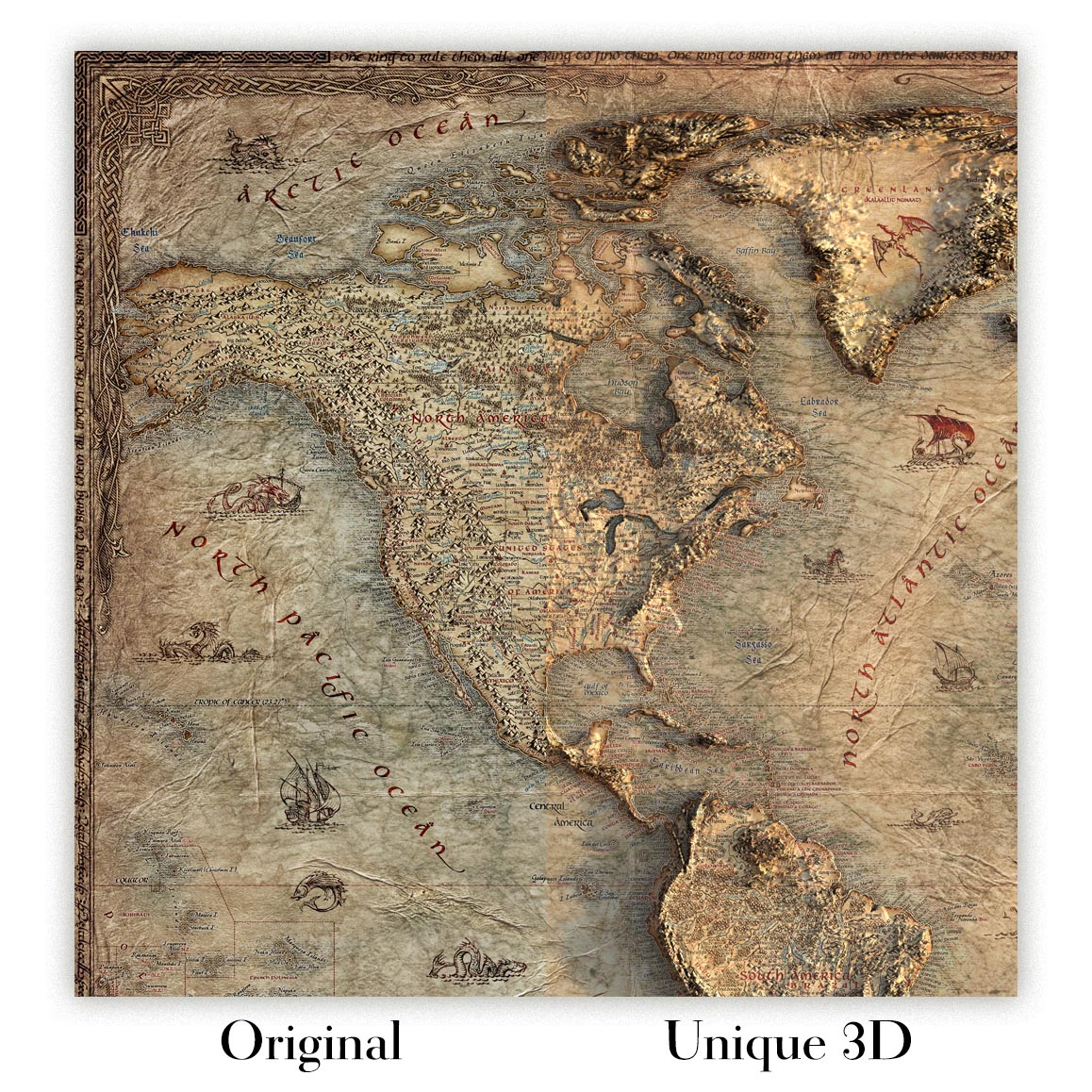
For something truly unique, this map is also available in "Unique 3D", our trademarked process that dramatically transforms the map so that it has a wonderful sense of depth. We combine the original map with detailed topography and elevation data, so that mountains and the terrain really "pop". For more info and examples of 3D maps, check my Unique 3D page.
Carte Général de la Lune (1877) es un hito en el retrato de la Luna que combina una observación rigurosa con un diseño elegante. Concebido bajo la dirección del renombrado astrónomo Camille Flammarion y fundamentado en más de 15 años de estudio nocturno de Casimir Marie Gaudibert, cartografía la superficie lunar con una claridad y una seguridad poco comunes. El sujeto central del mapa es la geografía lunar, un censo minucioso de cuencas, mares y, especialmente, cráteres, enmarcado por un refinado programa infográfico que hace accesible a simple vista la compleja selenografía. Su interés perdurable reside en el equilibrio que logra: la precisión de un documento científico unida a la seducción visual del grabado del siglo XIX, una fusión que le valió reconocimiento en los círculos científicos contemporáneos.
La arquitectura informativa del mapa está meticulosamente dispuesta. Un índice exhaustivo flanquea el disco lunar a izquierda y derecha, enumerando 509 cráteres con nombres que trazan el linaje intelectual de la astronomía: un atlas de pensadores estampado en la propia Luna. Cada entrada corresponde a etiquetas cuidadosamente situadas sobre la superficie, lo que permite una rápida consulta cruzada de la lista a la característica. El sombreado tonal esculpe el relieve, distinguiendo los brillantes lugares de impacto surcados por rayos de las extensiones más serenas de los mares, mientras que delicadas texturas articulan crestas, terrazas y bordes de cráteres desgastados. El resultado es una infografía que se siente intuitiva: un elegante ciclo de ver, localizar y comprender, guiado por un destacado cartucho de título que acredita a los distinguidos colaboradores del proyecto.
Tras la imagen hay una historia de extraordinaria colaboración. Aunque aficionado, la perseverancia y la metodología disciplinada de Gaudibert lo elevaron al círculo de los profesionales; un cráter lleva ahora su nombre, y sus levantamientos informaron no solo esta lámina, sino también un globo lunar publicado por Émile Bertaux. El papel de Flammarion dio forma a la voz científica de la obra, mientras que el artista Léon Fenet tradujo los datos en bruto a una forma expresiva, una interacción que tipifica la mejor astronomía popular de la época. Ejecutada mediante heliograbado, un proceso fotomecánico apreciado por su fidelidad tonal, la impresión capta los gradientes más sutiles de sombra sobre altiplanos y llanuras. Esta síntesis de oficio y ciencia modela un ideal del siglo XIX: el conocimiento hecho bello, y la belleza hecha instructiva.
La composición recompensa una lectura atenta. Hitos emblemáticos como Tycho y Copernicus probablemente anclan las tierras altas meridionales y centrales con sus luminosos sistemas de rayos, mientras que los serenamente sombreados mares, incluido el célebre Mare Tranquillitatis, forman llanuras aterciopeladas que moderan el dramatismo de un relieve más marcado. A su alrededor, muros concéntricos de cráteres, rampas interrumpidas y tenues rilles emergen mediante un matizado claroscuro, permitiendo a los espectadores inferir la antigüedad relativa y la historia de erosión. El ritmo de rotulación del mapa invita a la exploración: las características más destacadas reclaman tipos de mayor tamaño, mientras que las anotaciones secundarias susurran en la periferia de cuencas y domos. Lo que comienza como un único semblante lunar se despliega en una narrativa estratificada de impactos, inundaciones y un tiempo lento grabado en piedra.
Como una de las primeras y más autorizadas cartografías de la Luna, Carte Général de la Lune captura un momento decisivo, anterior a que la fotografía sustituyera por completo la mirada del dibujante. Sus datos ofrecieron a los astrónomos una referencia साझा para nombrar, comparar y debatir rasgos, y su claridad visual ayudó a estandarizar durante décadas la comprensión selenográfica. Para los coleccionistas, encarna una rara confluencia: la integridad de la observación directa, el carisma de la heliograbura y el legado intelectual catalogado en su índice de 509 nombres. Más que un mapa, es una conversación entre observadores pacientes y artesanos inspirados: un testimonio perdurable de cómo la atención humana puede transformar un mundo distante y silencioso en un lugar legible y cautivador.
Lugares en este mapa
- Numerosos cráteres, a menudo con nombres y designaciones intrincados.
- Pueden aparecer rasgos notables como "Tycho", "Copernicus" y "Mare Tranquillitatis" (aunque la visibilidad específica depende de la interpretación de la imagen real).
Características destacadas y puntos de referencia
- Representación detallada de la superficie lunar.
- Una lista en el lado izquierdo y derecho, identificando 509 cráteres.
- Cráteres con nombres complejos, algunos probablemente derivados de astrónomos y científicos destacados.
- La representación artística de las texturas de la superficie y los efectos de sombreado.
- El destacado cartucho que indica el título y los colaboradores.
Contexto histórico y de diseño
- Nombre del mapa: Carte Général de la Lune.
- Año de creación: 1877.
- Cartógrafo/editor: Casimir Marie Gaudibert; publicado por Émile Bertaux.
- Creado bajo la dirección del renombrado astrónomo Camille Flammarion.
- Basado en más de 15 años de meticulosas observaciones de Casimir Marie Gaudibert, un astrónomo aficionado.
- Conocido por su precisión y detalle, recibió reconocimiento en la comunidad científica.
- El editor, Bertaux, utilizó los datos de Gaudibert para un globo lunar, destacando su impacto en la cartografía lunar.
- Un cráter de la Luna ha sido nombrado en honor a Gaudibert, reflejando sus contribuciones a la astronomía.
- Aunque Gaudibert era aficionado, su trabajo obtuvo reconocimiento en serios círculos científicos y contribuyó significativamente a la geografía lunar.
- Colaboración astronómica: la fusión del arte de Léon Fenet y los datos científicos de Gaudibert elevó la comprensión de la topografía de la Luna.
- Se centra exclusivamente en la Luna, mostrando sus cráteres y rasgos topográficos sin delimitaciones geográficas de la Tierra.
- Diseño/estilo: enfoque infográfico con representación artística de la superficie de la Luna.
- Emplea una técnica de heliograbado, conocida por su alta calidad de impresión.
- Una rica paleta de colores refleja las texturas y características de la superficie lunar.
- Importancia histórica: un temprano estudio lunar que enfatiza la colaboración entre astrónomos e ilustradores para ampliar el conocimiento de la Luna.
Por favor, compruebe detenidamente las imágenes para asegurarse de que se muestra un pueblo o lugar específico en este mapa. También puede ponerse en contacto con nosotros y pedirnos que revisemos el mapa por usted.
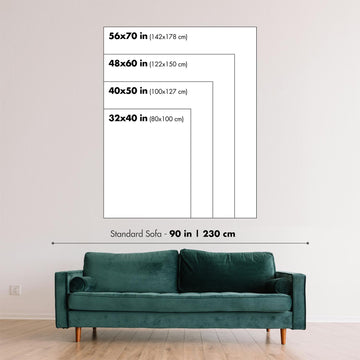
Este mapa luce magnífico en cualquier tamaño, pero siempre recomiendo optar por un tamaño mayor si dispone de espacio. Así podrá apreciar fácilmente todos los detalles.
Este mapa se ve increíble en tamaños de hasta 100in (250cm). Si busca un mapa más grande, por favor póngase en contacto.
Tenga en cuenta: las etiquetas de este mapa son difíciles de leer si pide un mapa de 16in (40cm) o menos. El mapa sigue siendo muy atractivo, pero si desea leerlo con facilidad, compre un tamaño mayor.
El modelo en las imágenes del anuncio sostiene la versión de 18x24in (45x60cm) de este mapa.
La quinta imagen del anuncio muestra un ejemplo de mi servicio de personalización de mapas.
Si busca algo ligeramente distinto, consulte mi colección de los mejores mapas antiguos para ver si algo más le llama la atención.
Por favor, contácteme para comprobar si una determinada ubicación, punto de referencia o elemento aparece en este mapa.
Sería un regalo maravilloso de cumpleaños, Navidad, Día del Padre, despedida laboral, aniversario o inauguración de casa para alguien de las zonas cubiertas por este mapa.
Este mapa está disponible como impresión giclée en papel mate de archivo libre de ácido, o puede comprarlo enmarcado. El marco es un marco negro, sencillo y elegante, que combina con la mayoría de las estéticas. Póngase en contacto si desea otro color o material de marco. Mis marcos llevan un acristalamiento de acrílico de calidad museística, de gran transparencia (perspex/acrylite), que es significativamente menos reflectante que el vidrio, más seguro y que siempre llegará en perfecto estado.
This map is also available as a float framed canvas, sometimes known as a shadow gap framed canvas or canvas floater. The map is printed on artist's cotton canvas and then stretched over a handmade box frame. We then "float" the canvas inside a wooden frame, which is available in a range of colours (black, dark brown, oak, antique gold and white). This is a wonderful way to present a map without glazing in front. See some examples of float framed canvas maps and explore the differences between my different finishes.
For something truly unique, this map is also available in "Unique 3D", our trademarked process that dramatically transforms the map so that it has a wonderful sense of depth. We combine the original map with detailed topography and elevation data, so that mountains and the terrain really "pop". For more info and examples of 3D maps, check my Unique 3D page.
Muchos de nuestros mapas y reproducciones de arte se eligen como regalos considerados para hogares, oficinas, despachos y lugares significativos.
Elija una opción enmarcada para el regalo más sencillo, listo para colgar, o elija una lámina sin enmarcar si el destinatario prefiere seleccionar su propio marco.
Producimos los pedidos localmente en 23 países de todo el mundo, por lo que a menudo los regalos pueden realizarse cerca del destinatario. Esto ayuda a que lleguen más rápido, viajen de forma más segura y eviten sorpresas por aduanas o aranceles de importación.
- Podemos entregar directamente al destinatario
- Las piezas enmarcadas llegan listas para colgar
- Las láminas sin enmarcar se embalan cuidadosamente en un resistente tubo protector
- Casi todos los pedidos se producen localmente, para regalar de forma más rápida y segura
- Las devoluciones de 90 días dan al destinatario tiempo para decidir
Si no está seguro de qué elegir, por favor contáctenos. Podemos ayudarle a escoger el mapa, tamaño, acabado u opción de entrega adecuados.
Para la mayoría de los pedidos, el tiempo de entrega es de aproximadamente 3 días laborables. Los productos personalizados y a medida tardan más, ya que tengo que hacer la personalización y enviártelo para su aprobación, lo cual suele tardar 1 o 2 días.
Tenga en cuenta que los pedidos enmarcados muy grandes suelen tardar más en fabricarse y entregarse.
Si necesitas que tu pedido llegue para una fecha determinada, por favor contáctame antes de hacer el pedido para que podamos encontrar la mejor manera de asegurarnos de que recibas tu pedido a tiempo.
Imprimo y enmarco mapas y obras de arte en 23 países alrededor del mundo. Esto significa que tu pedido se fabricará localmente, lo que reduce el tiempo de entrega y asegura que no se dañe durante el envío. Nunca pagarás aranceles de aduana o impuestos de importación, y pondremos menos CO2 en el aire.
Todos mis mapas y impresiones artísticas están bien empaquetados y enviados en un tubo resistente si no están enmarcados, o rodeados de espuma si están enmarcados.
Intento enviar todos los pedidos dentro de 1 o 2 días después de recibir tu pedido, aunque algunos productos (como mascarillas, tazas y bolsas de tela) pueden tardar más en fabricarse.
Si seleccionas Entrega Exprés al finalizar la compra, priorizaremos tu pedido y lo enviaremos por mensajería de 1 día (Fedex, DHL, UPS, Parcelforce).
La entrega al día siguiente también está disponible en algunos países (EE. UU., Reino Unido, Singapur, EAU), pero por favor intenta hacer tu pedido temprano en el día para que podamos enviarlo a tiempo.
Mi marco estándar es un marco de madera de fresno negro estilo galería. Es simple y tiene un aspecto bastante moderno. Mi marco estándar tiene alrededor de 20 mm (0.8 in) de ancho.
Utilizo acrílico super claro (perspex/acrylite) para el vidrio del marco. Es más ligero y seguro que el vidrio, y se ve mejor, ya que la reflectividad es menor.
Seis colores de marco estándar están disponibles de forma gratuita (negro, marrón oscuro, gris oscuro, roble, blanco y oro antiguo).El enmarcado y montaje/matizado personalizado está disponible si buscas algo diferente.
La mayoría de los mapas, arte e ilustraciones también están disponibles como un lienzo enmarcado. Utilizamos lienzo de algodón mate (no brillante), lo estiramos sobre un marco de madera de caja de origen sostenible, y luego 'flotamos' la pieza dentro de un marco de madera. El resultado final es bastante hermoso, y no hay cristal que se interponga.
Todos los marcos se proporcionan "listos para colgar", con una cuerda o soportes en la parte posterior. Los marcos muy grandes tendrán placas de colgar de alta resistencia y/o un listón de montaje. Si tienes alguna pregunta, por favor ponte en contacto.
Mira algunos ejemplos de mis mapas enmarcados y mapas en lienzo enmarcados.
Alternativamente, también puedo proporcionar mapas antiguos y obras de arte en lienzo, tablero de espuma, papel de algodón y otros materiales.
Si deseas enmarcar tu mapa o obra de arte tú mismo, por favor lee mi guía de tamaños primero.
Trabajamos con diseñadores de interiores, negocios de hostelería, profesionales del sector inmobiliario, oficinas y compradores corporativos tanto en piezas individuales como en proyectos coordinados de mayor envergadura.
Este mapa puede adaptarse a una pared, estancia o proyecto concretos, y nuestro taller puede ayudar a coordinar las dimensiones, el material y el enmarcado antes de la producción.
- Dimensiones exactas, de gran formato y a medida
- Enmarcado, montaje y materiales alternativos personalizados
- Piezas coordinadas para varias habitaciones o ubicaciones
- Personalización del mapa para señalar ubicaciones importantes o añadir detalles adicionales
- Asesoramiento sobre el mapa y el enmarcado por parte de nuestro taller
- Producción local para proyectos en todo el mundo
Mis mapas son reproducciones de mapas originales de altísima calidad.
Obtengo mapas originales y raros de bibliotecas, casas de subastas y colecciones privadas de todo el mundo, los restauro en mi taller de Londres y luego uso tintas e impresoras giclée especializadas para crear hermosos mapas que lucen incluso mejor que el original.
Mis mapas están impresos en papel de archivo mate (no brillante) sin ácido que se siente de muy alta calidad y casi como una tarjeta. En términos técnicos, el peso/grosor del papel es de 10 mil/200 g/m². Es perfecto para enmarcar.
Imprimo con tintas pigmentadas Epson ultrachrome giclée UV resistentes a la decoloración, algunas de las mejores tintas que puedes encontrar.
yo también puedo hacer mapas sobre lienzo, trapo de algodón y otros materiales exóticos.
Obtenga más información sobre The Unique Maps Co..
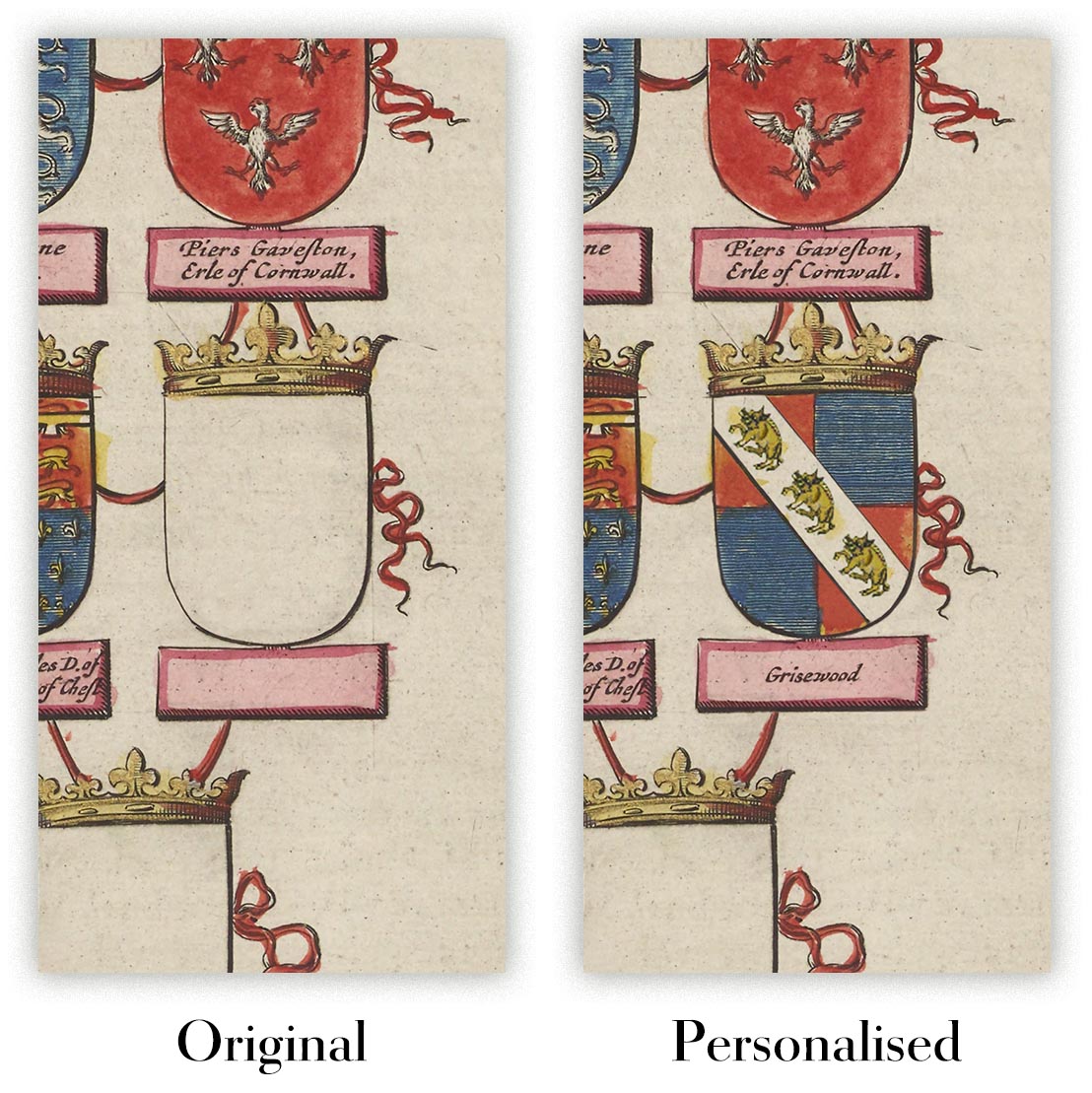
Personalización de mapas
Si está buscando el regalo perfecto de aniversario o inauguración de la casa, puedo personalizar su mapa para hacerlo verdaderamente único. Por ejemplo, puedo agregar un mensaje corto, resaltar una ubicación importante o agregar el escudo de armas de su familia.
Las opciones son casi infinitas. Por favor mira mi página de personalización de mapas para ver algunos maravillosos ejemplos de lo que es posible.
Para pedir un mapa personalizado, seleccione "personalizar su mapa" antes de agregarlo a su carrito.
Ponerse en contacto si buscas personalizaciones y personalizaciones más complejas.
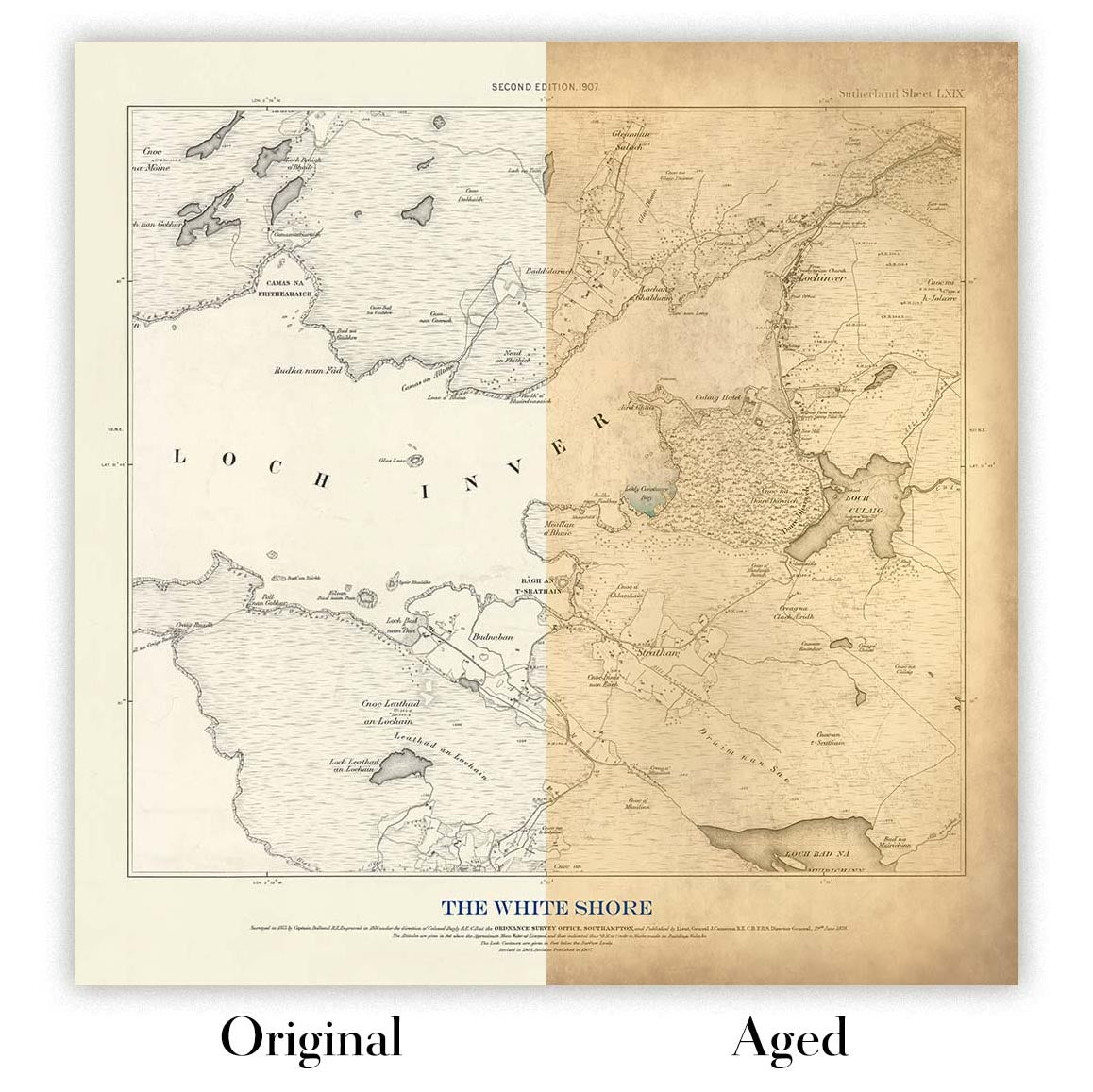
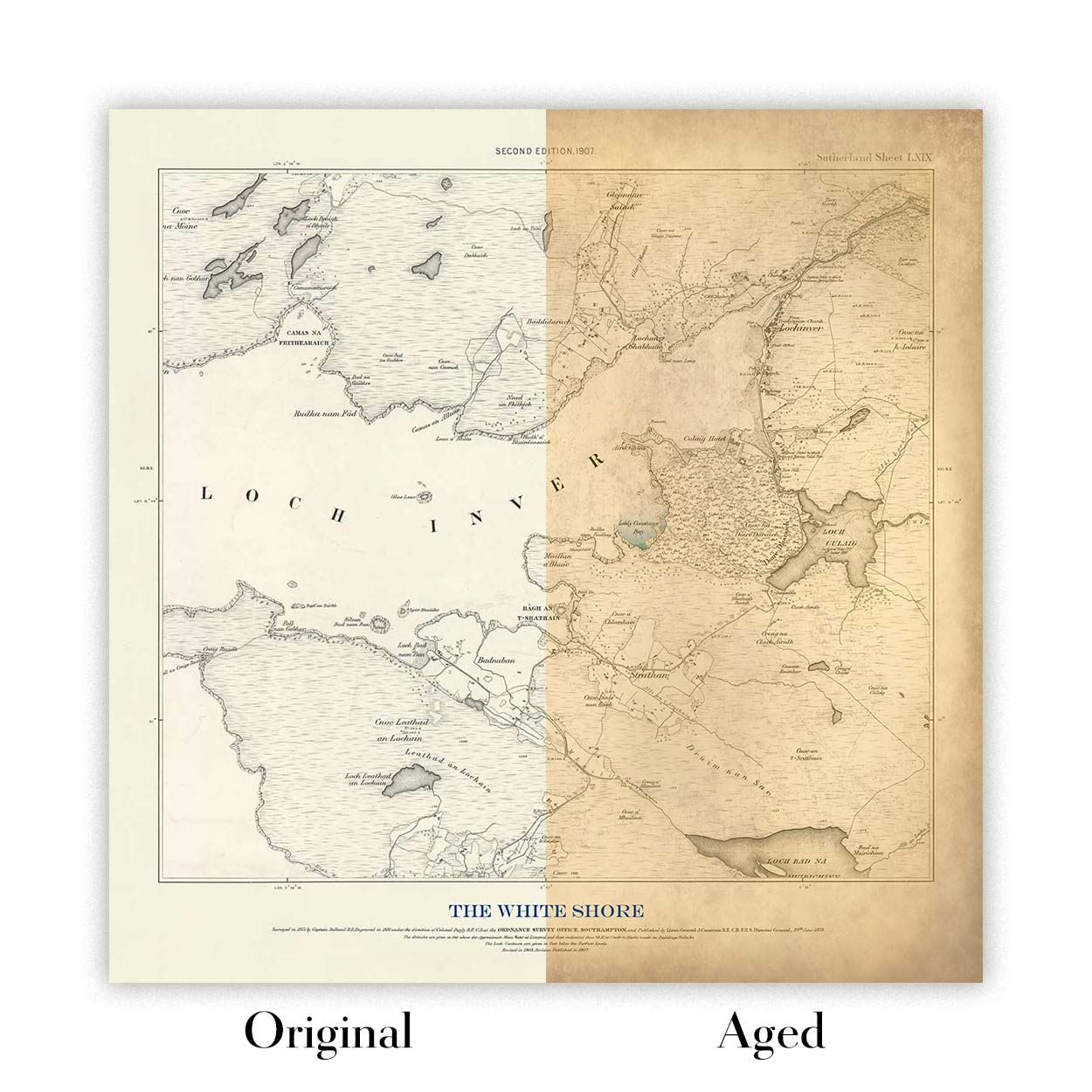
Envejecimiento del mapa
A lo largo de los años, los clientes me han preguntado cientos de veces si podían comprar un mapa que se viera uniforme. más viejo.
Bueno, ahora puedes hacerlo seleccionando Envejecido antes de agregar un mapa a tu carrito.
Todas las fotografías de productos que ve en esta página muestran el mapa en su forma original. Así es como se ve el mapa hoy.
Si selecciona Envejecido, envejeceré su mapa a mano, usando un proceso especial y único desarrollado a través de años de estudiar mapas antiguos, hablar con investigadores para comprender la química del envejecimiento del papel y, por supuesto... ¡mucha práctica!
Si no estás seguro, quédate con el color original del mapa. Si quieres algo un poco más oscuro y más viejo buscando, opte por Envejecido.
Llevamos restaurando y produciendo mapas y láminas artísticas desde 1984, y respondemos por cada pieza.
Todos los pedidos están cubiertos por nuestra garantía de 10 años y nuestra garantía de entrega sin daños. Si su pieza llega dañada, la sustituiremos o la volveremos a producir sin cargo alguno. Si cualquier otro aspecto no es correcto, contacte con nuestro equipo de taller y lo resolveremos con prontitud.
Consulte nuestra política de devoluciones y reembolsos para conocer todos los detalles.


